What the plan is about
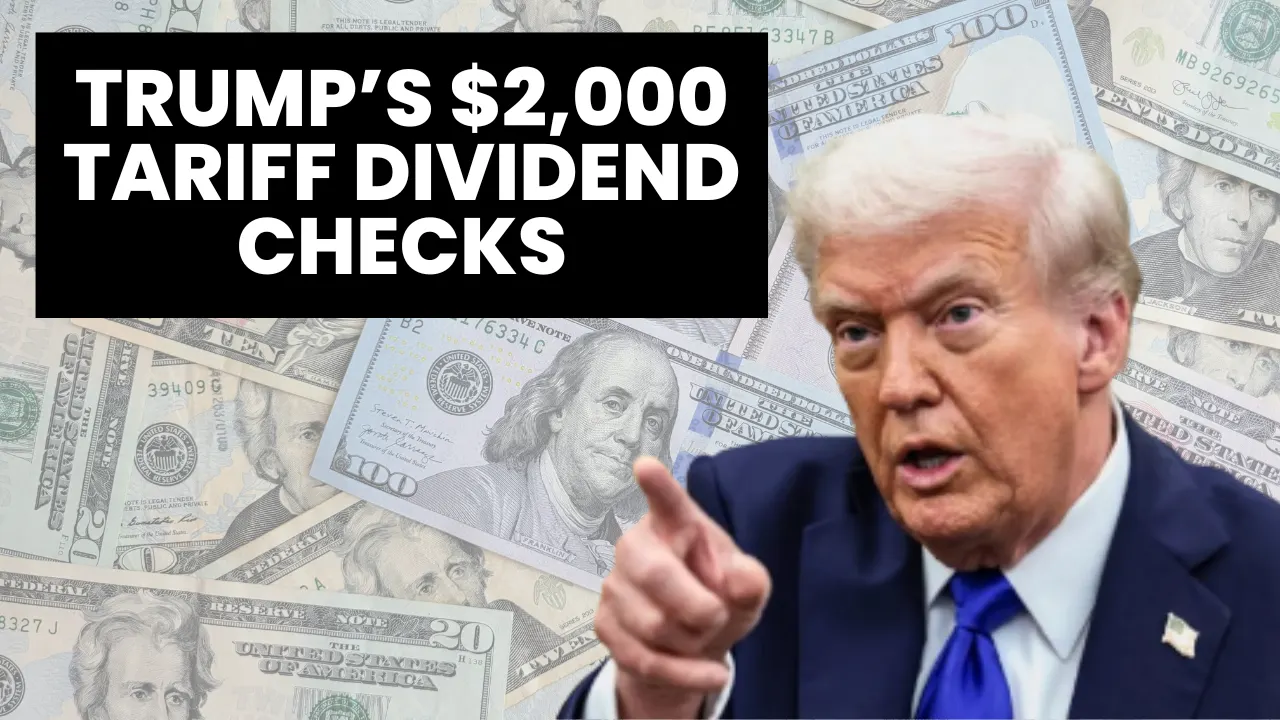
The “Tariff Dividend” is Donald Trump’s proposal to send $2,000 payments to most Americans using money collected from tariffs on imported goods, rather than borrowing or passing a traditional stimulus bill. The idea is framed as a rebate for middle- and lower‑income households who have been squeezed by inflation and higher prices, especially heading into the holidays.
Will you get $2,000 before Christmas?
Despite the buzz about a “Christmas stimulus,” Trump has been clear that these checks will not arrive before the 2025 holiday season. In recent comments, he has pointed to sometime in 2026—likely ahead of the midterm elections—as the rough target window for any tariff dividend payments.
How the Tariff Dividend would work
Under the proposal, tariff revenue flowing into the U.S. Treasury would be used to fund direct payments of at least $2,000 per person, with high‑income earners excluded. Trump has also talked about using a portion of that same revenue to pay down the national debt, which is currently above $38 trillion, adding another political selling point to the plan.
Who is likely to qualify
Trump has repeatedly said the dividend is aimed at “middle income and lower income people,” with high‑income households left out, though no exact income cutoff has been finalized. Early discussion has floated a rough line around $100,000 in annual household income, which could cover well over 100 million adults if adopted, but this is still only an illustrative benchmark, not a formal rule.
Key numbers and timing to know
Economists note that tariff revenue is significant but not limitless: federal tariff receipts reached around $195 billion over the first three quarters of fiscal 2025, less than the roughly $300 billion that would be needed to send $2,000 to about 150 million adults. Supporters respond that the Treasury projects trillions in tariff revenue over the next decade, meaning the administration could in theory front‑load payments based on expected collections while continuing to collect tariffs later.
Why this isn’t a done deal
For any nationwide $2,000 check program to happen, Congress would still need to pass legislation spelling out the amount, eligibility rules, and payment mechanism. That debate is likely to be contentious, since critics argue tariffs already act as a hidden tax on consumers by raising prices on imports, potentially offsetting some of the benefit of a one‑time payout.
How payments might be delivered
Although Trump’s rhetoric focuses on “checks,” his economic team has also floated alternative formats, such as delivering the dividend through the tax code via credits or exemptions on things like tips and overtime. If Congress agrees, the IRS would almost certainly administer the benefit, similar to the COVID‑era stimulus checks, using tax returns and direct deposit information to send payments automatically to eligible filers.
What it means for your wallet
For households that qualify, a $2,000 payment could provide a meaningful cushion for groceries, rent, gifts, or paying down high‑interest debt at a time when inflation and uneven wage gains still strain budgets. But with no bill passed and no firm date set beyond “sometime in 2026,” financial planners and analysts stress that people should not rely on the Tariff Dividend in their immediate holiday budgeting and should treat it as a potential bonus, not guaranteed income.